.png?width=50&name=Copy%20of%20GM_SecondaryLogo04_FullColor_RBG%20(2).png)

Table of Contents
- Introduction: The Power of Networking in Today’s Professional Landscape
- Why Networking is Essential for Professional Success
- Knowledge Exchange: The Foundation of Professional Growth
- Mentorship: Guiding the Way Forward
- Career Growth: Unlocking New Opportunities Through Connections
- Collaboration: Driving Innovation Across Industries
- How GoalMakers Redefines Networking Through Education
- The Networking-Centric Design of the Master Manager Program
- Creating Communities That Last Beyond the Classroom
- Real-Life Networking Success Stories
- Case Study 1: Cross-Industry Collaboration
- Case Study 2: Career Growth Through Mentorship
- Case Study 3: Building Lifelong Professional Communities
- Designing Networking-Enhanced Educational Programs
- Structuring Collaborative Learning Experiences
- Facilitating Informal Networking in Training Settings
- Leveraging Technology for Continuous Networking Opportunities
- Conclusion: From Connections to Community
- Key Takeaways and How to Apply This
Introduction: The Power of Networking in Today’s Professional Landscape
In today’s hyper-connected world, networking has evolved from a mere professional necessity to a cornerstone of career success. It’s not just about adding contacts to a LinkedIn profile or collecting business cards at events—it’s about fostering meaningful, mutually beneficial relationships that open doors to growth, collaboration, and innovation.
But for many professionals, networking feels like a daunting or transactional exercise. How do you approach it authentically? How do you ensure that your connections translate into value for both parties? The solution lies in creating structured environments where networking is a natural outcome of shared experiences.
At GoalMakers, we integrate networking into every layer of our educational programs, empowering professionals to build genuine connections while mastering essential skills. The Master Manager Program stands out as a prime example of how learning environments can double as networking incubators. This article explores the why, how, and what of networking, providing actionable insights to help you leverage the power of professional connections.
Why Networking is Essential for Professional Success
Networking goes beyond meeting people—it’s about forging relationships that drive progress. Let’s break down its key benefits and how they influence personal and organizational success.
Knowledge Exchange: The Foundation of Professional Growth
In any field, staying ahead requires more than just hard skills; it demands staying informed about industry trends, emerging technologies, and innovative practices. Networking facilitates this by creating a two-way street for exchanging ideas.
For instance, a finance manager might gain insights into sustainability metrics from an environmental consultant, sparking ideas for green finance initiatives. This kind of cross-pollination of knowledge drives growth and innovation.
Actionable Step:
When attending events or programs, prioritize conversations that revolve around challenges or trends in your industry. Share your insights and listen actively to learn from others.
Mentorship: Guiding the Way Forward
Great mentorships often begin with a single connection. Networking provides access to experienced professionals who can guide you through challenges, offer advice, and help you grow. Unlike formal mentorship programs, these organic relationships often stem from mutual respect and shared goals.
Real-Life Example:
In the Master Manager Program, a participant struggling with team alignment found a mentor who guided them in implementing a company-wide feedback system. This not only improved the participant’s leadership skills but also resulted in measurable performance improvements across their team.
Actionable Step:
Be proactive in seeking mentorship within your network. Identify potential mentors and approach them with specific questions or challenges to initiate meaningful conversations.
Career Growth: Unlocking New Opportunities Through Connections
The most significant career opportunities often arise from referrals, partnerships, and collaborations within your network. Whether it’s a job opening, a speaking engagement, or a new business venture, networking creates a pathway to opportunities that may otherwise remain out of reach.
Actionable Step:
Follow up on connections you make at networking events or programs. Share relevant articles or updates, offer to help with their initiatives, and maintain genuine communication to keep the relationship alive.
Collaboration: Driving Innovation Across Industries
When professionals from diverse backgrounds come together, they challenge traditional thinking and create groundbreaking solutions. Networking fosters this collaboration by bridging industries and disciplines.
Actionable Step:
Join cross-industry networking events or programs to expose yourself to new perspectives. Consider collaborative projects with peers from different fields to push boundaries and innovate.

How GoalMakers Redefines Networking Through Education
The Networking-Centric Design of the Master Manager Program
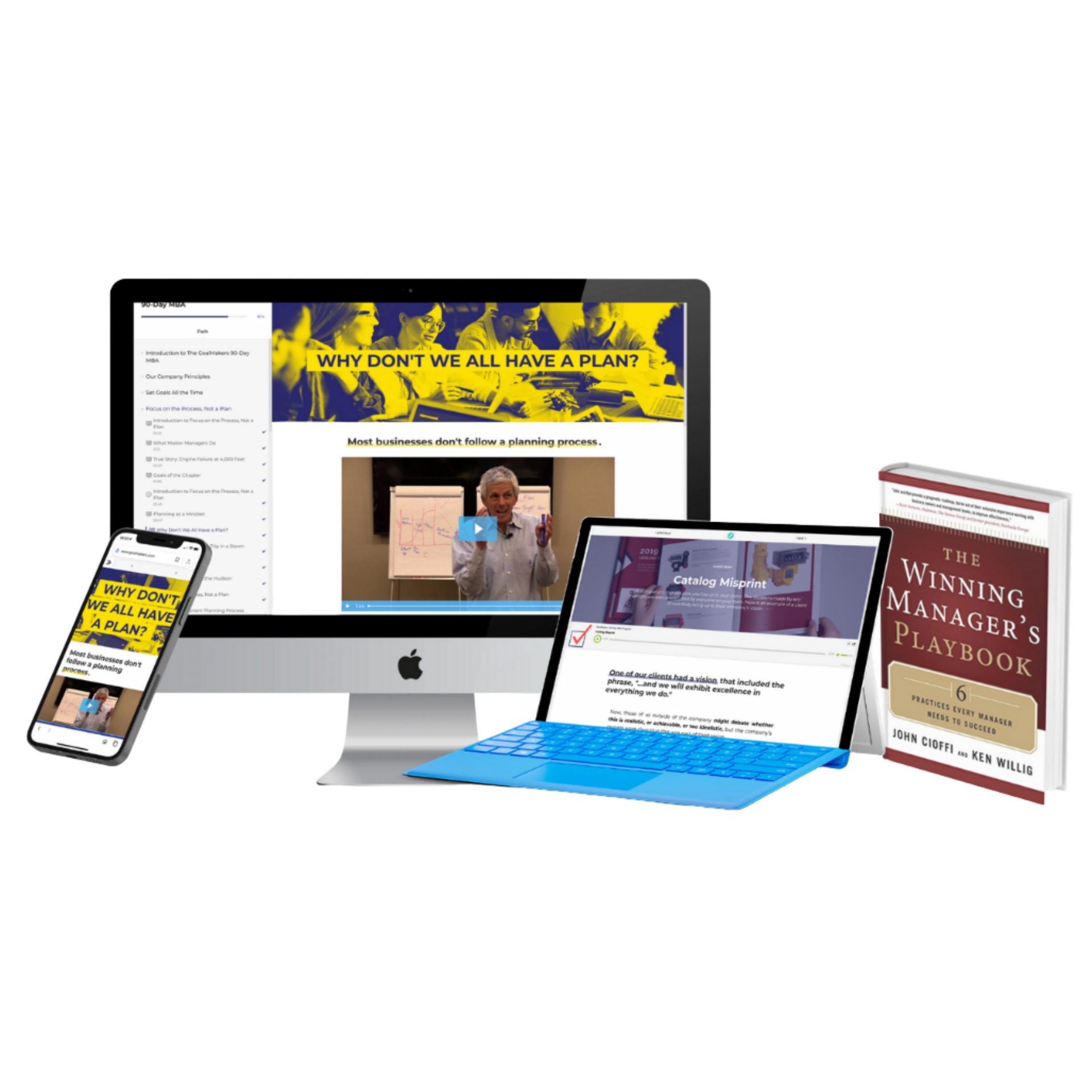
The Master Manager Program is not just an educational initiative; it’s a hub for professional connection. Every element is crafted to maximize interaction, collaboration, and community-building among participants.
Key Features of the Program:
- Collaborative Group Projects
Participants work in diverse teams to solve real-world challenges. This hands-on approach builds trust and rapport while enhancing learning outcomes. - Diverse Cohorts
Each cohort represents a blend of industries, roles, and geographies, ensuring rich, multifaceted discussions. - Structured Networking Opportunities
Informal events like virtual coffee chats and roundtable discussions create a relaxed environment for participants to connect. - Alumni Community
Graduates of the program gain access to a thriving alumni network, offering long-term mentorship, collaboration, and career growth opportunities.
Creating Communities That Last Beyond the Classroom
Unlike traditional networking, which often ends after an event, GoalMakers fosters communities that thrive long after the program concludes. Participants frequently stay in touch, collaborate on projects, and support each other’s professional journeys.
Actionable Step:
Take advantage of alumni networks or professional communities associated with training programs. These connections often lead to opportunities for continued learning and collaboration.
Real-Life Networking Success Stories
Case Study 1: Cross-Industry Collaboration
A participant from the healthcare sector collaborated with a tech entrepreneur during the Master Manager Program. Together, they developed an app that streamlined patient care workflows, improving both efficiency and outcomes.
Takeaway:
The best innovations often come from connecting with professionals outside your immediate field.
Case Study 2: Career Growth Through Mentorship
An HR manager entered the program feeling uncertain about their next career step. Through a connection made during a group project, they found a mentor who provided actionable advice. Within six months, they implemented new leadership strategies that earned them a promotion.
Takeaway:
Mentorship connections often arise organically in collaborative environments.
Case Study 3: Building Lifelong Professional Communities
A participant described how their program cohort evolved into a support network, helping each other navigate challenges, share resources, and celebrate successes years after graduation.
Takeaway:
The strongest networks are built on shared experiences and mutual trust.
Designing Networking-Enhanced Educational Programs
For organizations and associations, creating networking-rich educational experiences can amplify the value of their offerings.
Structuring Collaborative Learning Experiences
Group projects, team simulations, and peer review sessions encourage interaction and build meaningful connections among participants.
Example:
A leadership training program might include a simulation where participants must navigate a crisis as a team, fostering collaboration and problem-solving.
Facilitating Informal Networking in Training Settings
Casual events like coffee breaks, social hours, or roundtable discussions allow participants to connect outside the structure of formal sessions.
Example:
In a virtual setting, use breakout rooms for small group discussions during breaks. This approach makes interactions more personal and engaging.
Leveraging Technology for Continuous Networking Opportunities
Online forums, alumni networks, and dedicated apps keep participants connected long after a program ends.
Example:
A LinkedIn group for alumni can serve as a platform for sharing resources, celebrating milestones, and fostering ongoing collaboration.

Conclusion: From Connections to Community
Networking isn’t just an add-on to professional development—it’s a vital element of personal and organizational success. Programs like the Master Manager Program illustrate how combining education with connection-building creates long-lasting value.
By embedding networking into educational initiatives, organizations can cultivate communities that support growth, innovation, and collaboration. For professionals, these opportunities offer not just connections but also a sense of belonging and purpose.
As we continue to navigate an interconnected world, the ability to network effectively is more critical than ever. It’s not just about building bridges; it’s about creating communities where everyone thrives.
Key Takeaways and How to Apply This
Key Takeaways:
- Networking drives growth by fostering knowledge exchange, mentorship, career opportunities, and collaboration.
- Programs that integrate networking into their structure, like the Master Manager Program, create lasting value.
- Success stories demonstrate the transformative power of meaningful professional connections.
How to Apply This:
- Seek Networking-Focused Programs:
Enroll in programs that prioritize collaboration and relationship-building, such as the Master Manager Program. - Engage Actively:
Fully participate in group activities, workshops, and networking events to maximize connection-building opportunities. - Maintain Relationships:
Follow up with contacts regularly, share resources, and contribute value to the relationship. - Create Opportunities in Your Organization:
Design training initiatives with group-based projects, informal networking events, and alumni networks to foster connections. - Leverage Technology:
Use online platforms to keep conversations and collaborations alive long after formal programs conclude.