.png?width=50&name=Copy%20of%20GM_SecondaryLogo04_FullColor_RBG%20(2).png)
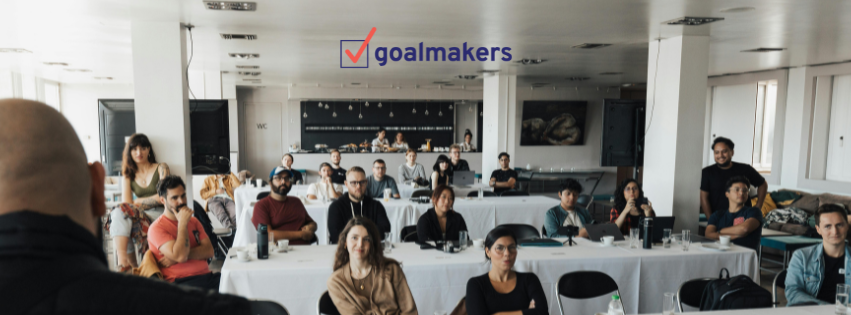
Table of Contents
- Introduction: The Changing Landscape of Corporate Learning
- The Importance of a Strong Learning Community
- Understanding the Power of Connection
- Benefits of a Collaborative Learning Environment
- The Benefits of Cohort-Based Learning Experiences
- Increased Engagement and Motivation: A Collective Commitment
- Collaborative Learning and Peer Support: Moving Beyond Traditional Learning Models
- Building Relationships and Professional Networks: Fostering Long-Term Connections
- How GoalMakers Fosters Community Among Learners
- Cohort-Based Learning Approach: The Foundation for Collaborative Success
- Online Discussion Forums and Social Media Groups: Extending Learning Beyond the Classroom
- Ongoing Community Engagement Post-Course: Keeping the Spirit of Collaboration Alive
- Real-Life Examples of Cohort-Based Learning Success
- Case Study 1: A Global Financial Association’s Learning Transformation
- Case Study 2: An International Marketing Agency’s Journey to a Stronger, More Collaborative Workforce
- Key Takeaways and How to Apply This in Your Organization
- Actionable Steps for Implementing Cohort-Based Learning
- Conclusion: Cultivating a Learning Community for Lasting Impact
Introduction: The Changing Landscape of Corporate Learning
In the modern workplace, the need for continuous learning has never been more critical. Traditional corporate training, which often relies on isolated learning modules and one-off workshops, is being replaced by more immersive, engaging, and impactful learning models. Among the most effective of these models is cohort-based learning, where groups of employees progress through training programs together, fostering collaboration, mutual accountability, and long-lasting relationships.
The concept of creating a thriving learning community goes beyond just offering training programs. It’s about creating an environment that encourages participation, dialogue, and knowledge sharing. When learners can connect and engage with each other, they develop not just new skills but new professional relationships and ways of thinking.
This article delves into the growing importance of cohort-based learning, exploring how it can drive engagement, improve knowledge retention, and create a culture of continuous improvement. We will also provide actionable steps and real-world examples to show how companies can implement and benefit from building strong learning communities.
The Importance of a Strong Learning Community
In today’s fast-paced, ever-changing business environment, knowledge is power. But knowledge alone isn’t enough. To truly harness its potential, learning must be a collaborative, ongoing process. A learning community encourages employees to come together, exchange ideas, solve problems as a team, and grow both individually and collectively.

Understanding the Power of Connection
At the core of every successful learning community is a sense of connection. Employees who feel a sense of belonging and camaraderie with their peers are more likely to stay engaged, take ownership of their learning, and retain the knowledge they acquire. A strong learning community fosters emotional investment in the learning process, helping employees understand that they are not isolated in their journey but are part of a larger ecosystem working toward common goals.
When employees connect with others, they gain access to diverse perspectives, skills, and experiences. These relationships can lead to richer insights and innovative solutions that might not have emerged in a more solitary learning environment. This diversity of thought is invaluable for companies seeking to solve complex problems and create a dynamic workforce.
Benefits of a Collaborative Learning Environment
A collaborative learning environment goes beyond just formal training. It encourages informal learning, where employees can interact, share ideas, and learn from each other in real time. Collaboration allows employees to actively contribute to one another’s development, making the learning process more interactive and meaningful.
Moreover, collaborative learning fosters teamwork, problem-solving, and critical thinking—skills that are essential in the modern workplace. This environment allows employees to feel safe in expressing ideas, making mistakes, and learning from those mistakes, creating an atmosphere of trust and psychological safety.
The Benefits of Cohort-Based Learning Experiences
Cohort-based learning programs take these principles of connection and collaboration and apply them in a structured way. Rather than learning in isolation, participants move through the course together, creating shared experiences that drive engagement and improve outcomes. The cohort model offers several key benefits that traditional learning environments simply cannot match.
Increased Engagement and Motivation: A Collective Commitment
Engagement is a key factor in the success of any learning program. Studies show that employees are more likely to complete training programs when they feel accountable to others. Cohort-based learning creates a sense of collective responsibility among participants, motivating them to stay engaged and complete the program.
When employees know that their peers are depending on them for feedback, collaboration, and contributions, they are more likely to stay committed and take the learning process seriously. The natural peer pressure that comes with working in a group can significantly increase motivation and help participants overcome challenges that might otherwise derail their progress.
Additionally, learning in a cohort encourages participants to move beyond mere completion of assignments. They feel responsible for their own success, as well as the success of the group, which often leads to higher levels of participation and engagement. Cohort members inspire each other to keep progressing, set higher goals, and reach new heights.
Collaborative Learning and Peer Support: Moving Beyond Traditional Learning Models
One of the standout features of cohort-based learning is the collaborative nature of the experience. In traditional learning models, instructors are the primary source of knowledge, and students or employees typically learn in isolation or through formal, one-on-one instruction. In cohort-based learning, however, the focus shifts to peer-to-peer learning, where participants share their insights, feedback, and expertise with each other.
This collaborative learning model offers employees the chance to learn from each other’s experiences and backgrounds, enriching the learning process. Cohort members bring unique perspectives to the table, providing valuable insights that can deepen everyone’s understanding of the material. This peer learning approach also helps employees feel more engaged and empowered, as they take on a more active role in shaping their learning experience.
Beyond content knowledge, cohort-based learning fosters emotional support. Learners often face similar challenges during the course, and being able to share these experiences with peers creates a strong sense of solidarity. This support system helps participants persevere through difficult moments and builds trust within the cohort.
Building Relationships and Professional Networks: Fostering Long-Term Connections
Cohort-based learning creates opportunities for employees to forge meaningful relationships that extend beyond the course. These relationships can be valuable both professionally and personally. When employees from different departments or geographic locations come together to learn, they often develop strong networks that can benefit them throughout their careers.
For companies, these networks can lead to increased cross-functional collaboration, better communication across departments, and stronger ties between teams. Employees who form these relationships are more likely to engage in informal knowledge-sharing, fostering a culture of collaboration that extends well beyond the course or training program.
Additionally, cohort-based learning offers employees the opportunity to expand their professional network. They can exchange contact information, share job leads, and even collaborate on future projects. The personal and professional connections that participants build during a cohort-based program can create long-term value for both individuals and the organization.
How GoalMakers Fosters Community Among Learners
At GoalMakers, we understand the critical role that learning communities play in achieving successful outcomes. We use the cohort-based learning model to create an environment where learners feel supported, connected, and motivated. Here’s how we foster strong communities among our learners:
Cohort-Based Learning Approach: The Foundation for Collaborative Success
Our cohort-based learning approach ensures that participants are not just passive recipients of information but active contributors to the learning experience. By structuring our programs to encourage collaboration, we help participants build lasting relationships and develop a strong sense of camaraderie.
Whether it’s through group assignments, team discussions, or peer feedback, our approach encourages learners to interact and share their insights, which enhances both individual learning and group dynamics. This approach builds a foundation for long-term collaboration that extends well beyond the course.
Online Discussion Forums and Social Media Groups: Extending Learning Beyond the Classroom
To keep the spirit of community alive, GoalMakers offers online discussion forums and social media groups dedicated to course topics. These platforms allow participants to continue engaging with one another, share resources, and ask questions even after formal training sessions have ended.
We encourage learners to use these platforms to connect with one another, share insights, and collaborate on challenges. This extension of the learning environment helps reinforce the material and provides ongoing support for participants as they apply what they’ve learned in real-world settings.
Ongoing Community Engagement Post-Course: Keeping the Spirit of Collaboration Alive
Learning doesn’t stop when the course ends. We continue to engage our learners through alumni networks, webinars, and exclusive resources that help them stay connected and keep learning. Our post-course engagement opportunities provide a space for learners to share updates, celebrate successes, and continue their professional development.
By keeping our community engaged long after the course ends, we ensure that our learners remain connected, supported, and ready to face new challenges in their careers.
Real-Life Examples of Cohort-Based Learning Success
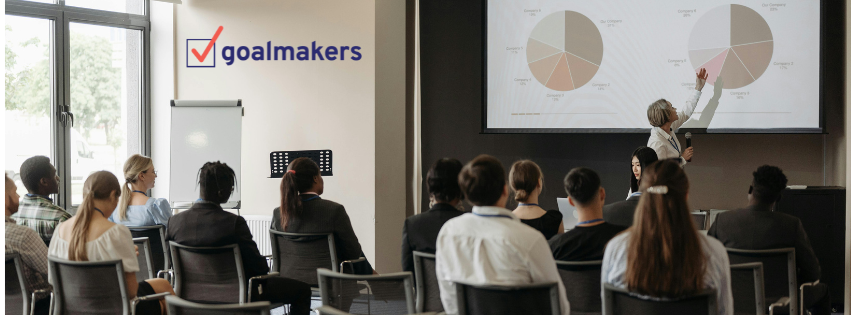
Real-world success stories can illustrate the power of cohort-based learning and show just how impactful this model can be in different industries.
Case Study 1: A Global Financial Association’s Learning Transformation
A global financial association recognized the need to upskill their employees on advanced investment strategies. They adopted a cohort-based learning model that grouped participants by region and skill level. Throughout the program, participants were encouraged to collaborate, share insights, and tackle case studies together.
As a result, participants gained a deeper understanding of the material and were able to apply it more effectively in their daily roles. The program also led to the formation of cross-regional networks that fostered ongoing collaboration between offices. This collaborative learning environment significantly boosted both engagement and performance.
Case Study 2: An International Marketing Agency’s Journey to a Stronger, More Collaborative Workforce
An international marketing agency implemented a cohort-based learning program to enhance their team’s digital marketing skills. By grouping employees across different regions and disciplines, the agency fostered an environment where diverse perspectives could be shared. The cohort model allowed participants to work together on campaigns, discuss challenges, and share best practices.
The results were impressive: the agency saw a significant improvement in both employee satisfaction and the effectiveness of its marketing strategies. Employees who had completed the cohort program reported feeling more confident, connected, and capable of tackling complex projects. Furthermore, the agency saw improved cross-team collaboration, leading to more innovative campaigns and better results across their global markets.
Key Takeaways and How to Apply This in Your Organization
Key Takeaways:
- Cohort-based learning fosters engagement, collaboration, and knowledge retention, leading to more effective learning outcomes.
- The sense of accountability and collective responsibility in cohort-based models motivates learners to stay engaged and committed.
- Peer support and collaboration help employees overcome challenges and deepen their understanding of the material.
- Cohort-based learning helps build long-term professional relationships and networks that benefit both individuals and the organization.
- Continuing engagement through online communities and alumni networks enhances the learning experience and drives sustained professional growth.
How to Apply This in Your Organization:
- Adopt a cohort-based learning model: Organize your training programs so that employees move through the course together, encouraging collaboration and shared learning experiences.
- Create dedicated online communities: Set up online forums or social media groups where learners can continue discussing course content, share resources, and engage with one another.
- Foster long-term relationships: Create opportunities for employees to stay connected after the course ends, such as alumni networks, ongoing learning programs, and networking events.
- Measure the success of your programs: Track participation, engagement, and the impact of cohort-based learning on job performance. Use these insights to continuously improve and refine your training initiatives.
Conclusion: Cultivating a Learning Community for Lasting Impact
In today’s business world, creating a thriving learning community is essential for driving employee engagement, retention, and performance. Cohort-based learning is one of the most effective ways to foster collaboration, encourage knowledge sharing, and build lasting professional relationships. By implementing this model, companies can create dynamic, supportive learning environments that lead to measurable business success.
At GoalMakers, we are committed to fostering learning communities that extend well beyond the classroom, ensuring that our learners not only gain new skills but also build relationships that help them thrive. By embracing the power of cohort-based learning, companies can cultivate a culture of continuous improvement that drives both individual and organizational growth.