.png?width=50&name=Copy%20of%20GM_SecondaryLogo04_FullColor_RBG%20(2).png)
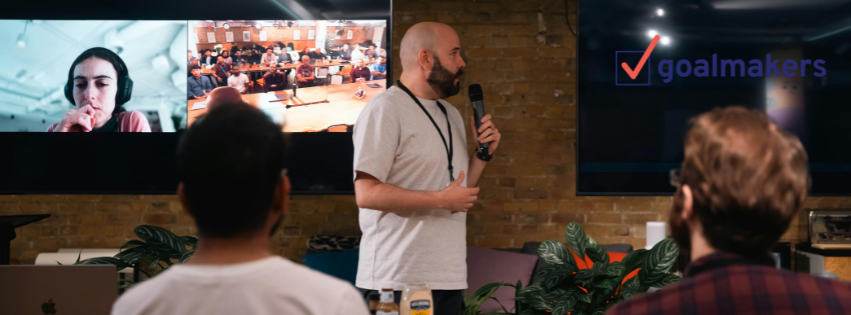
Table of Contents
- Introduction
- What is Hybrid Learning?
- The Advantages of Hybrid Learning for Businesses
- Flexibility for the Modern Workforce
- Increased Accessibility
- Improved Knowledge Retention
- Scalability for Growing Organizations
- Supporting Diverse Learning Styles Through Hybrid Models
- Inside GoalMakers’ Hybrid Learning Methodology
- Self-Paced Modules: Learning at Your Own Speed
- Live Sessions: Engaging, Real-Time Interactions
- A Unified Learning Journey
- Real-World Feedback: The Learner Perspective
- Actionable Steps for Implementing Hybrid Learning in Your Organization
- Case Study: Hybrid Learning in Action
- Key Takeaways
- Conclusion
1. Introduction
In today’s fast-paced, globalized world, the way businesses approach training and education must evolve to keep pace with the needs of diverse and distributed workforces. Traditional training models—whether fully online or strictly in-person—often fail to address the varying preferences, schedules, and learning styles of employees.
This is where hybrid learning emerges as a game-changer. By blending self-paced, online modules with live, interactive sessions, hybrid learning creates a dynamic, inclusive, and accessible training environment. This method isn’t just a trend; it’s a proven strategy to enhance engagement, improve retention, and equip employees with actionable skills.
In this article, we’ll delve into the concept of hybrid learning, explore its benefits, and provide actionable insights to help organizations implement this model effectively. Drawing from GoalMakers’ proven approach, we’ll showcase how businesses can harness the power of hybrid learning to transform employee education.
2. What is Hybrid Learning?
Hybrid learning is a teaching methodology that merges self-paced learning with live, instructor-led sessions. It provides the structure and guidance of traditional education while offering the flexibility and accessibility of modern technology.
- Self-Paced Learning: Participants access digital content, such as videos, templates, and reading materials, at their convenience.
- Live Sessions: Real-time virtual or in-person sessions allow learners to interact with instructors, ask questions, and collaborate with peers.
This dual approach not only accommodates different schedules but also supports diverse learning preferences, ensuring a more personalized and effective educational experience.

3. The Advantages of Hybrid Learning for Businesses
Hybrid learning is more than a convenience—it’s a strategic advantage. Companies adopting this approach can address common training challenges while fostering a culture of continuous learning.
Flexibility for the Modern Workforce
Employees today juggle professional responsibilities, personal commitments, and often work across multiple time zones. Hybrid learning empowers them to engage with training materials on their own schedule without missing out on live interactions.
- Example: A multinational software company used hybrid training to onboard employees across regions. Self-paced modules covered the fundamentals, while live sessions allowed teams from different countries to connect and discuss company values and goals.
Increased Accessibility
Hybrid learning eliminates the need for physical attendance, making training accessible to remote employees and those in different geographic locations. With the right tools, every team member can participate regardless of their circumstances.
Tip for Businesses: Ensure accessibility by using cloud-based platforms that support multiple devices and offer subtitles or transcripts for video content.
Improved Knowledge Retention
Studies show that learners retain more information when they can revisit materials multiple times. The self-paced component allows participants to review content as needed, while live sessions reinforce key concepts through discussion and interaction.
Scalability for Growing Organizations
As companies expand, traditional training models can become logistically challenging and costly. Hybrid learning allows organizations to scale their programs without compromising on quality.
- Example: A growing marketing agency implemented hybrid learning to train new hires. By standardizing self-paced modules and supplementing them with live mentorship sessions, they maintained consistent quality across all teams.
4. Supporting Diverse Learning Styles Through Hybrid Models
Every employee learns differently. Some prefer reading, while others thrive in group discussions. Hybrid learning accommodates these differences by offering:
- Visual Learners: Infographics, slides, and videos.
- Auditory Learners: Recorded lectures and live Q&A sessions.
- Kinesthetic Learners: Interactive exercises and group activities.
This adaptability not only increases engagement but also ensures that no one is left behind.
- Pro Tip: Use feedback tools like post-session surveys to assess the effectiveness of your materials for different learning styles.
5. Inside GoalMakers’ Hybrid Learning Methodology
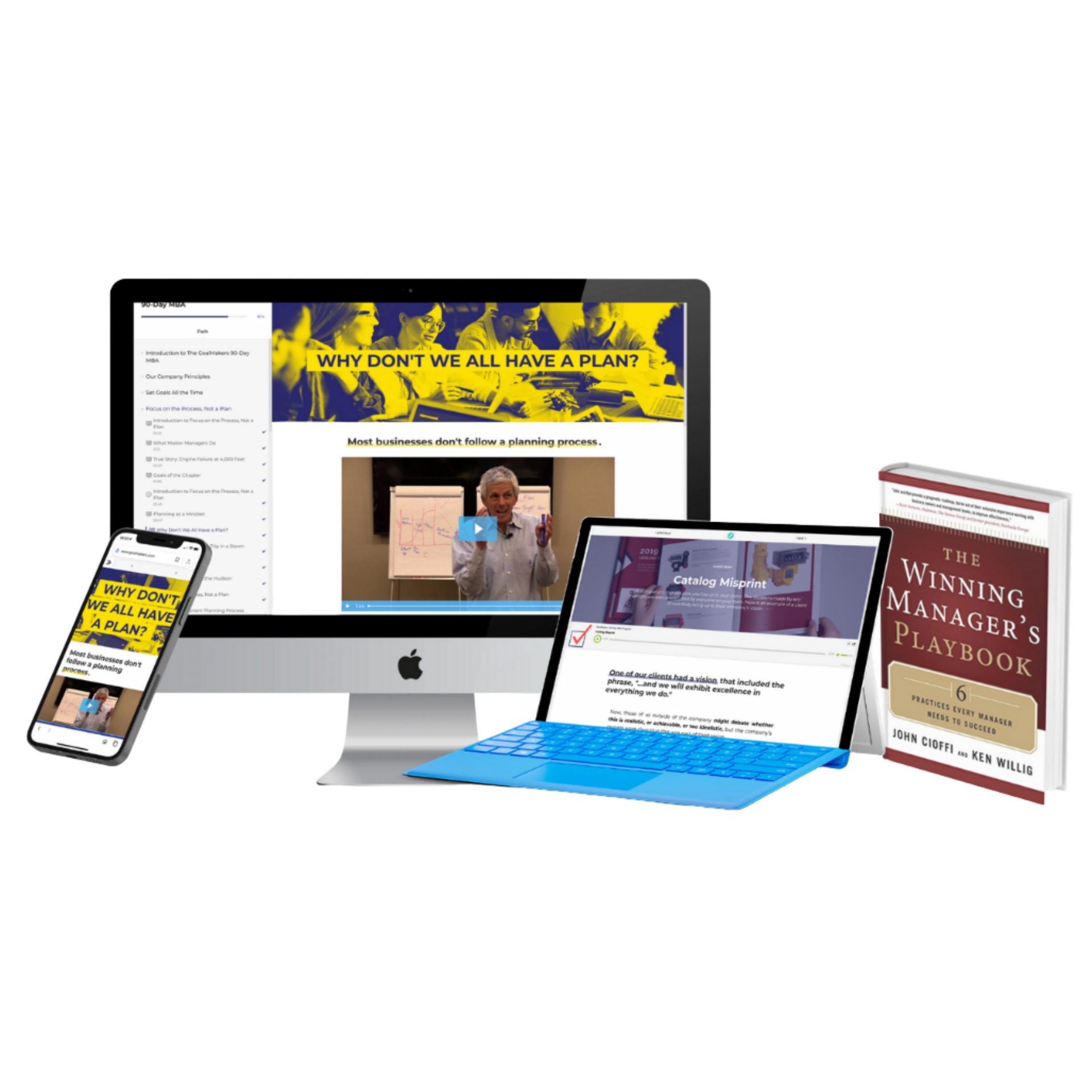
At GoalMakers, we’ve developed a hybrid learning framework that combines the best aspects of self-paced and live education. Here’s how our approach stands out:
Self-Paced Modules: Learning at Your Own Speed
Our self-paced materials include professionally designed templates, videos, and guides. Participants can complete these modules at their convenience, ensuring they have the foundational knowledge before joining live sessions.
- Example: For a leadership training program, participants might complete a module on “Effective Communication” before attending a live workshop on conflict resolution.
Live Sessions: Engaging, Real-Time Interactions
Our live sessions focus on collaboration and application. Led by experienced facilitators, these sessions allow participants to ask questions, discuss case studies, and engage in problem-solving exercises.
A Unified Learning Journey
We seamlessly integrate self-paced and live components to create a cohesive experience. For example, live sessions often include discussions based on pre-assigned self-paced materials, ensuring participants are prepared and engaged.
6. Real-World Feedback: The Learner Perspective
Learner feedback is a cornerstone of our hybrid model. Here’s what participants have shared:
Enhanced Engagement
“The flexibility of self-paced modules combined with the energy of live sessions kept me motivated throughout the program.”
Deeper Understanding
“Being able to review materials multiple times and then discuss them in live sessions really helped solidify my learning.”
Practical Application
“The tools and templates provided were incredibly useful—I’ve already applied them to improve our team meetings.”
7. Actionable Steps for Implementing Hybrid Learning in Your Organization
If you’re ready to adopt hybrid learning, here’s a step-by-step guide:
- Define Objectives: Start by identifying the skills or knowledge you want to impart.
- Choose the Right Tools: Invest in a Learning Management System (LMS) that supports both self-paced and live learning.
- Create High-Quality Content: Develop engaging, practical materials that can be accessed anytime.
- Schedule Live Sessions: Use these to discuss complex topics, address questions, and foster collaboration.
- Monitor Progress: Track participation and performance through your LMS to ensure the program meets its objectives.

8. Case Study: Hybrid Learning in Action
A professional association partnered with GoalMakers to design a hybrid leadership training program for its members.
- Challenge: Members were spread across multiple time zones with varying levels of experience.
- Solution: Self-paced modules provided foundational knowledge, while live sessions allowed for real-time discussions and role-playing exercises.
- Outcome: 95% of participants reported improved confidence in their leadership abilities, and the association saw a 20% increase in member engagement.
9. Key Takeaways
- Hybrid Learning Defined: Combines self-paced and live training for a flexible, effective approach.
- Advantages: Offers flexibility, accessibility, retention, and scalability.
- Learning Styles: Supports diverse preferences, enhancing engagement.
- GoalMakers’ Approach: Integrates high-quality materials with dynamic live sessions.
- Implementation Tips: Focus on objectives, content quality, and feedback.
10. Conclusion
Hybrid learning is revolutionizing professional education. By blending self-paced and live training, businesses can deliver impactful programs that engage employees, enhance retention, and foster real-world application.
For organizations aiming to stay ahead, adopting hybrid learning isn’t just an option—it’s a necessity. Whether you’re onboarding new hires or developing leaders, this model ensures that every participant has the tools they need to succeed.
At GoalMakers, we’ve seen firsthand how hybrid learning transforms organizations. While our approach is one example, the principles are adaptable for businesses of all sizes. Start your hybrid learning journey today and unlock the full potential of your workforce.