.png?width=50&name=Copy%20of%20GM_SecondaryLogo04_FullColor_RBG%20(2).png)

Table of Contents
- Introduction
- Why Continuous Learning Is Crucial in Today’s Business Landscape
- Adapting to a Fast-Changing World
- Meeting Employee Expectations for Growth
- Trends Driving Professional Development
- Microlearning: The Future of Skill Building
- Leveraging Technology for Smarter Learning
- Emphasizing the Value of Soft Skills
- The Career-Advancing Benefits of Lifelong Learning
- Redefining Career Pathways
- Unlocking Leadership Potential
- Unlocking Leadership Potential
- Organizational Advantages of Continuous Learning
- Enhancing Innovation and Creativity
- Improving Employee Retention and Satisfaction
- Building a Competitive Workforce
- Real-World Applications of Continuous Learning
- Case Studies of Success
- Lessons from Industry Leaders
- How GoalMakers Aligns with Lifelong Learning Trends
- Our Unique Approach to Professional Development
- Tools and Techniques to Drive Impact
- Building a Culture of Continuous Learning: Actionable Steps
- Assessing Organizational Learning Needs
- Making Learning Accessible and Scalable
- Measuring Outcomes and Celebrating Success
- Key Takeaways
- Conclusion
Introduction
The ability to adapt, innovate, and grow has never been more critical than it is today. Rapid advancements in technology, fluctuating market demands, and evolving consumer expectations have transformed the business landscape. Companies that fail to stay ahead of these changes risk losing their competitive edge.
The solution lies in embracing continuous learning—an organizational commitment to providing employees with ongoing opportunities to expand their knowledge and skills. But continuous learning isn’t just about keeping up; it’s about getting ahead. Businesses that prioritize lifelong learning foster a culture of curiosity, resilience, and innovation, driving success at every level.
This article explores why continuous learning is essential, the trends shaping the future of professional development, and how you can create a thriving learning culture in your organization.
Why Continuous Learning Is Crucial in Today’s Business Landscape
Adapting to a Fast-Changing World
The pace of change in business is relentless. Industries like finance, healthcare, and retail are being reshaped by technologies such as artificial intelligence, blockchain, and automation. These advancements require new skills, fresh perspectives, and innovative approaches.
Without continuous learning, employees’ skills quickly become outdated. A recent report by the World Economic Forum predicted that by 2030, over 1 billion people will need to reskill to remain employable. For organizations, investing in employee development is no longer optional—it’s essential.
Meeting Employee Expectations for Growth
Today’s workforce expects more than a paycheck. Employees seek employers who invest in their professional growth and provide opportunities for advancement. According to a LinkedIn Learning report, 94% of employees would stay longer at a company that invests in their learning and development.
Providing continuous learning opportunities not only attracts top talent but also helps retain it. Employees feel valued, empowered, and motivated to contribute their best.

Trends Driving Professional Development
Microlearning: The Future of Skill Building
Microlearning delivers education in short, focused bursts, making it easier for employees to absorb and retain information. These bite-sized modules are particularly effective for teaching practical skills, such as mastering a new software tool or improving communication techniques.
Why it works:
- Employees can complete lessons on their own time, reducing disruptions to their workflow.
- The modular format supports just-in-time learning, allowing employees to access content exactly when they need it.
Leveraging Technology for Smarter Learning
Advancements in technology have revolutionized professional development. Tools like AI-powered learning platforms, virtual reality simulations, and mobile apps provide employees with tailored, interactive, and engaging educational experiences.
Key technologies driving change:
- AI and Machine Learning: Personalized learning pathways based on individual needs and goals.
- Virtual and Augmented Reality: Immersive simulations for hands-on skill development.
- Learning Management Systems (LMS): Centralized platforms to track progress and deliver content.
Emphasizing the Value of Soft Skills
As automation takes over routine tasks, the importance of human-centric skills has grown. Employers increasingly prioritize soft skills such as emotional intelligence, adaptability, and leadership. These skills enable employees to collaborate effectively, solve problems creatively, and lead teams with empathy.
The Career-Advancing Benefits of Lifelong Learning
Redefining Career Pathways
Traditional career paths are becoming less common. Lifelong learning enables employees to transition between roles, industries, and functions as opportunities arise. For example, a data analyst who learns project management skills can pivot into a leadership role, adding value to both their career and their organization.
Unlocking Leadership Potential
Great leaders aren’t born—they’re made. Continuous learning helps employees develop the critical thinking, decision-making, and communication skills necessary for effective leadership. Organizations that invest in leadership development create a pipeline of capable leaders ready to take on challenges.
Preparing Employees for the Future of Work
The future of work is uncertain, but one thing is clear: adaptability will be the defining trait of successful professionals. Lifelong learning equips employees with the mindset and tools to navigate new challenges, ensuring they remain an asset to their organization.
Organizational Advantages of Continuous Learning
Enhancing Innovation and Creativity
A culture of continuous learning fosters curiosity, encouraging employees to think outside the box and challenge the status quo. Companies like Amazon and Tesla are renowned for their focus on learning and development, which drives the groundbreaking innovations that set them apart.
Improving Employee Retention and Satisfaction
Investing in learning and development demonstrates a company’s commitment to its employees. When employees feel valued and supported, they’re more likely to remain loyal. This reduces turnover costs and creates a more engaged and productive workforce.
Building a Competitive Workforce
Organizations with a strong learning culture attract top talent and stay ahead of industry trends. Continuous learning ensures your workforce is equipped with the skills to outperform competitors, adapt to market changes, and seize new opportunities.
Real-World Applications of Continuous Learning
Case Studies of Success
- Google: Known for its robust internal training programs, Google offers employees access to cutting-edge courses and development opportunities. This commitment to learning drives innovation and ensures employees stay ahead of industry trends.
- Walmart: Through its Live Better U program, Walmart enables employees to pursue higher education at minimal cost. This investment in education has improved retention rates and enhanced employee satisfaction.
- Professional Associations: Many associations now partner with organizations like GoalMakers to deliver tailored learning programs to their members. These initiatives boost member engagement and retention while ensuring participants stay relevant in their fields.
Lessons from Industry Leaders
Successful learning programs share key traits:
- Customization: Programs are tailored to address specific organizational goals and employee needs.
- Accessibility: Flexible formats, such as online courses and mobile learning, ensure participation.
- Application: Participants gain practical skills they can immediately apply to their roles.
How GoalMakers Aligns with Lifelong Learning Trends
Our Unique Approach to Professional Development
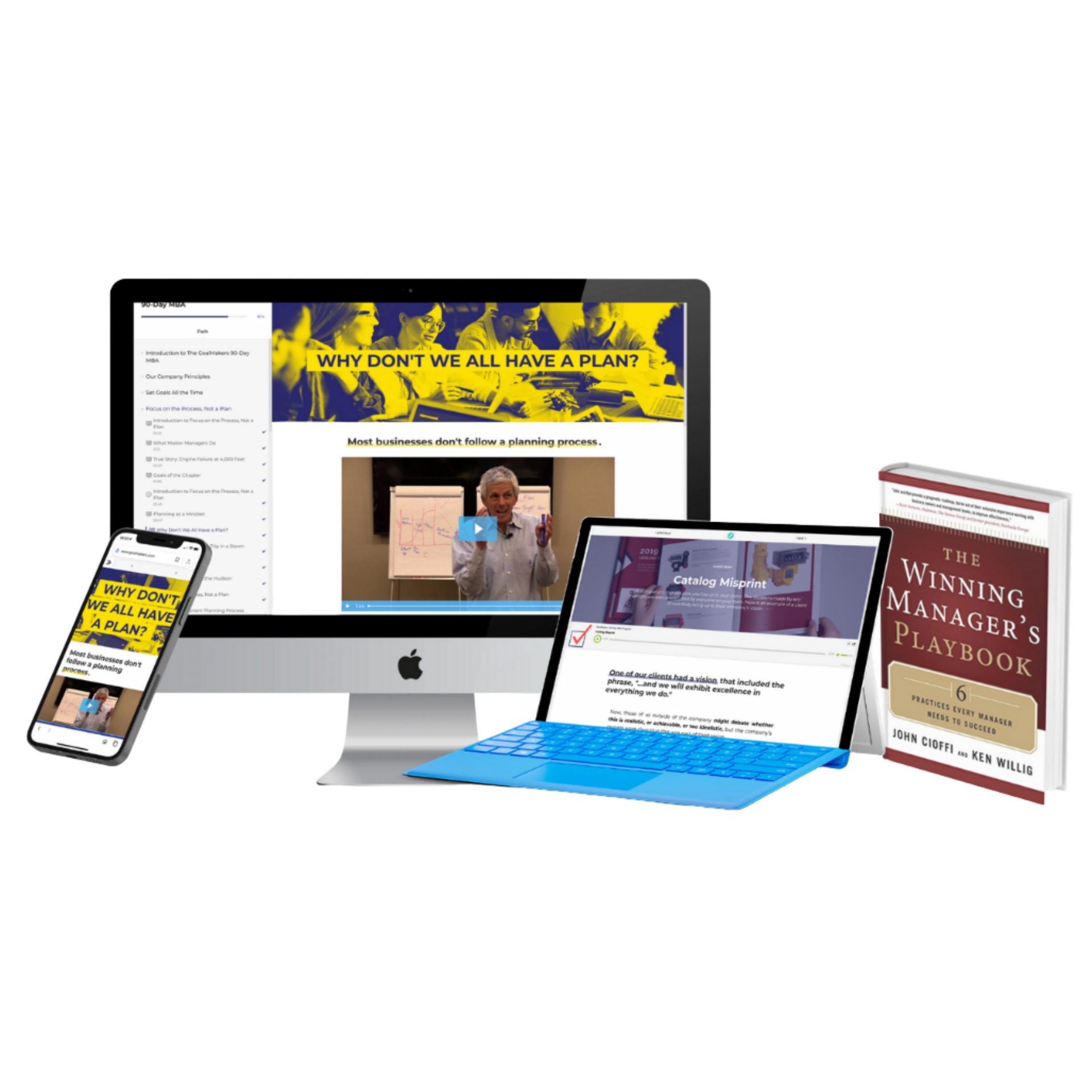
At GoalMakers, we specialize in creating learning experiences that resonate with today’s professionals. By integrating adult learning principles, our programs are engaging, practical, and results-driven.
Tools and Techniques to Drive Impact
Our programs provide more than knowledge—they offer actionable tools like templates, checklists, and worksheets. These resources empower participants to apply what they’ve learned, driving immediate results for their organizations.

Building a Culture of Continuous Learning: Actionable Steps
1. Assessing Organizational Learning Needs
Begin by conducting a skills audit to identify gaps in your workforce’s capabilities. This analysis will guide your learning initiatives and ensure they align with organizational goals.
2. Making Learning Accessible and Scalable2. Making Learning Accessible and Scalable
Offer flexible learning options, such as on-demand courses or hybrid models, to accommodate employees’ diverse needs. Technology can play a critical role in scaling your programs effectively.
3. Measuring Outcomes and Celebrating Success
Track the impact of your learning initiatives using metrics like employee performance, retention rates, and innovation outcomes. Celebrate milestones to reinforce the value of continuous learning and motivate participation.
Key Takeaways
- Continuous Learning is a Strategic Imperative: It drives innovation, enhances employee satisfaction, and ensures long-term success.
- Trends are Redefining Professional Development: From microlearning to AI-driven education, staying ahead requires embracing new approaches.
- Actionable Strategies Deliver Results: Building a learning culture demands a clear vision, targeted initiatives, and ongoing evaluation.
Conclusion
Continuous learning isn’t just a trend—it’s a necessity for organizations aiming to thrive in a rapidly changing world. By fostering a culture of lifelong learning, companies empower their employees, strengthen their competitive edge, and ensure their long-term success.
At GoalMakers, we’re committed to helping organizations build learning cultures that last. Whether you’re starting from scratch or looking to enhance your existing programs, we provide the tools, strategies, and expertise to drive meaningful change.
The future belongs to those who invest in learning. Are you ready to lead the way?